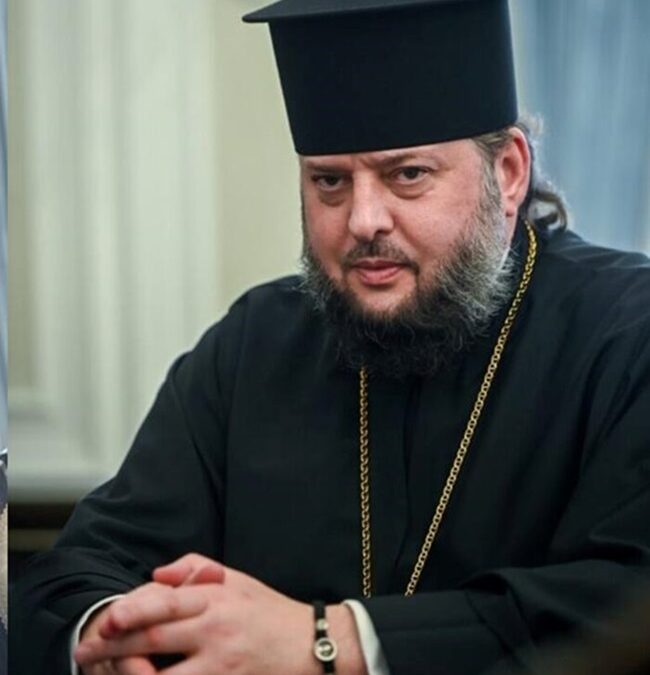
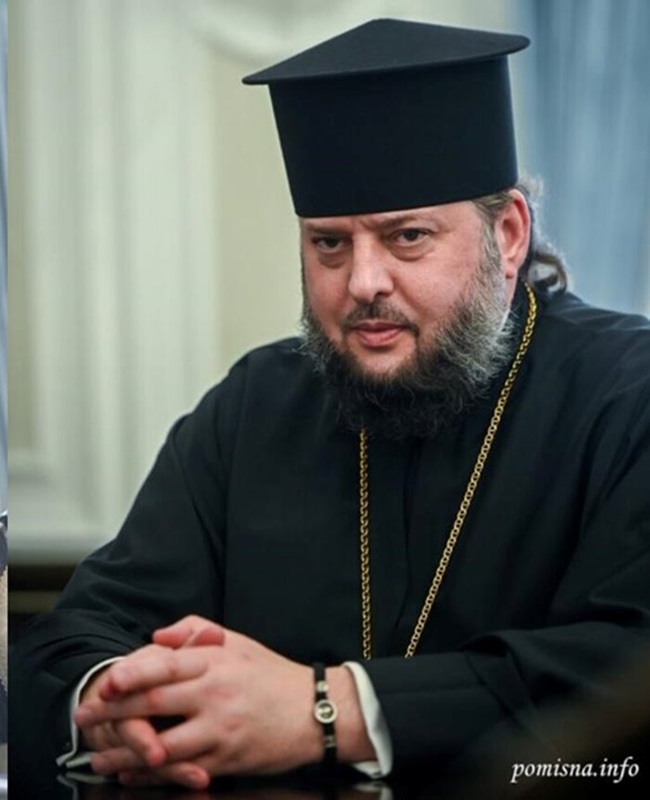
The events surrounding Archbishop Tykhon Petraniuk, accused of financial misconduct and other criminal activities, cast doubt on the authority of the Orthodox Church of Ukraine. The lack of effective internal control and church tribunal, along with the inaction of law enforcement agencies, undermine the trust of the faithful in their church leaders and raise concerns about the moral standards within the higher church hierarchy.
Archbishop Tykhon Petraniuk Under Suspicion of Financial Misconduct and Criminal Activities
Archbishop Tykhon (civil name Taras Ivanovych Petraniuk) finds himself at the center of a scandal due to numerous allegations of financial misconduct, arson, and connections with criminal organizations. This situation highlights the problems of internal ethics and morality within the hierarchy of the Orthodox Church of Ukraine (OCU), leading to a loss of trust among the faithful. The absence of an effective church tribunal and response from law enforcement agencies exacerbates the situation, putting into question the OCU’s ambitions for global recognition.
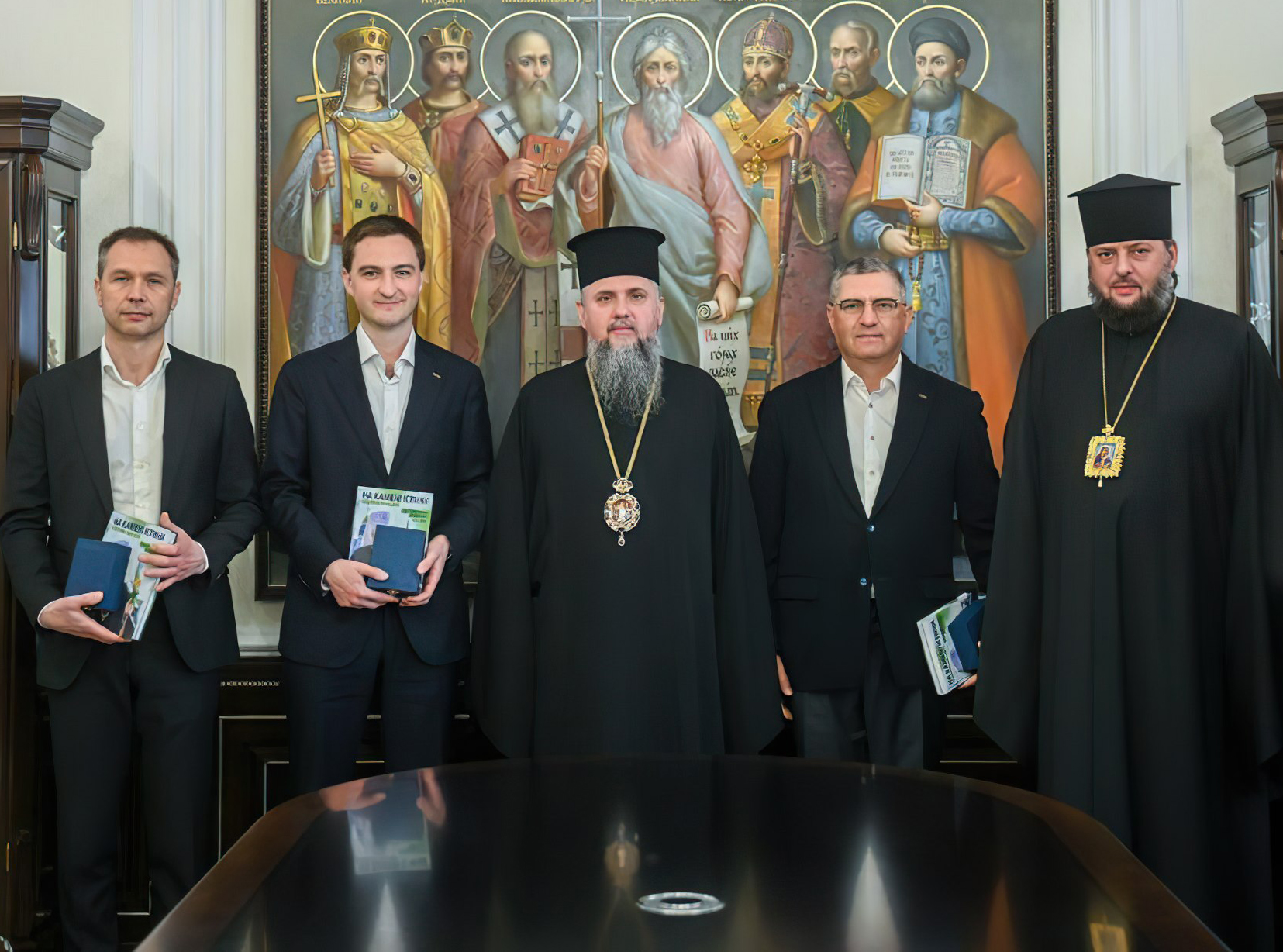
Archbishop Tykhon Petraniuk Accused of Financial Misconduct and Church Arson, Casting Doubts on the Morality of OCU Leaders
The church hierarchy’s links to the criminal world have always attracted public attention. Recently, Ukrainian society has witnessed scandalous events involving the current archbishop of Ternopil. The case of Archbishop Tykhon (civil name Taras Ivanovych Petraniuk), who embodies a deep internal rift between moral and spiritual values, underscores the negative impact of a lack of ethical standards among high-ranking church officials. This example of suppression and blind disregard for the issue emphasizes the need for thorough vetting of candidates for episcopal positions and strengthening internal control within church structures.
The Case of Archbishop Tykhon Petraniuk and Its Serious Implications for Church Governance
The lack of ethical norms and moral values among high-ranking church officials leads to a loss of trust among the faithful and even division within Orthodox communities. It is crucial for church leaders to exemplify morality and serve as role models to maintain the trust and support of the faithful. Ideally, responsibility for such cases should be both ecclesiastical and civil. Abuses of trust and financial misconduct should be subjected to thorough investigation and result in accountability under the law.
In Tykhon Petraniuk’s case, Metropolitan Epiphanius is well aware of the problematic archbishops under the church’s protection but is powerless due to the OCU’s failure to establish a tribunal to handle such matters. Moreover, criminal offenses are not canon law violations but purely fall under criminal law – thus, law enforcement should address these disgraceful incidents. However, law enforcement agencies such as the SBU, the prosecutor’s office, and the police remain oblivious to Archbishop Tykhon’s actions, as he enjoys immunity as a representative of the OCU. He continues to bless, officiate at funerals, and award orders to law enforcement officials while publicly expressing concern for Ukraine and its servicemen.
The Autocephalous Orthodox Church of Ukraine (OCU) Must Uphold High Standards of Morality and Canonical Traditions
The universally accepted idea in Christianity is the belief in salvation through repentance and the correction of wrongs. However, when an individual holding a high spiritual rank violates laws and engages in actions contrary to their episcopal and monastic vows, personal promises, and moral principles, it becomes problematic, especially in the context of church leadership. The case of Archbishop Tykhon Petraniuk, whose episcopal service is intertwined with criminal schemes, has become a matter of deep reflection on the pillars of faith in modern life.
Archbishop Tykhon’s “achievements” in the criminal realm, including numerous allegations of financial misconduct, the sale of church property and land, and debts amounting to hundreds of thousands of dollars, have severely damaged his reputation and trust as a spiritual leader.
On the Facebook page of the Ternopil-Buchach Diocese, the criminal archbishop Tykhon Petraniuk proudly reports on his parish visits, ordinations, and teachings, like the sermon he delivered on June 9th for the Sunday of the Blind Man.
The Christian teachings about the blind provide an opportunity to examine the issue of internal “blindness,” where a person loses their spiritual devotion and moral compass due to a desire for earthly gains. In the case of Tykhon Petraniuk, it appears that his high spiritual status did not protect him from succumbing to the temptation of material benefits and manipulations.
The consequences of such church policies can be extremely serious. Loss of trust among followers, accusations of violating moral principles, and criminal prosecutions can lead to the church losing its authority and influence in society. Additionally, this can damage trust in other spiritual leaders and religious institutions, which are vital for the perception of moral values and spiritual norms. Today, in an age of mobility, artificial intelligence, and the internet, “Those who have eyes will see; those who have ears will hear; those who have open hearts will feel.”
All these aspects underscore the need for honesty, change, and moral courage among spiritual leaders. The values on which faith is based must be reflected in actions and words to maintain trust and authority among the faithful of the Autocephalous Orthodox Church of Ukraine (OCU).
The Orthodox Church of Ukraine has legitimate ambitions to gain recognition among the global Orthodox community, but this may be significantly complicated when its bishops are accused of criminal activities, collaborate with hostile groups, engage in immoral behavior, and still participate in state and church events at the same level as the Primate of the Local Church. These facts undermine trust in church leaders and can negatively impact the perception of the Ukrainian church as a moral and spiritual authority both in Ukraine and around the world.
Memorial Fund of His Beatitude Metropolitan Methodius
Соц.медіа